
Waigaon Turmeric: GI Tag, Origin, and What Makes It Different
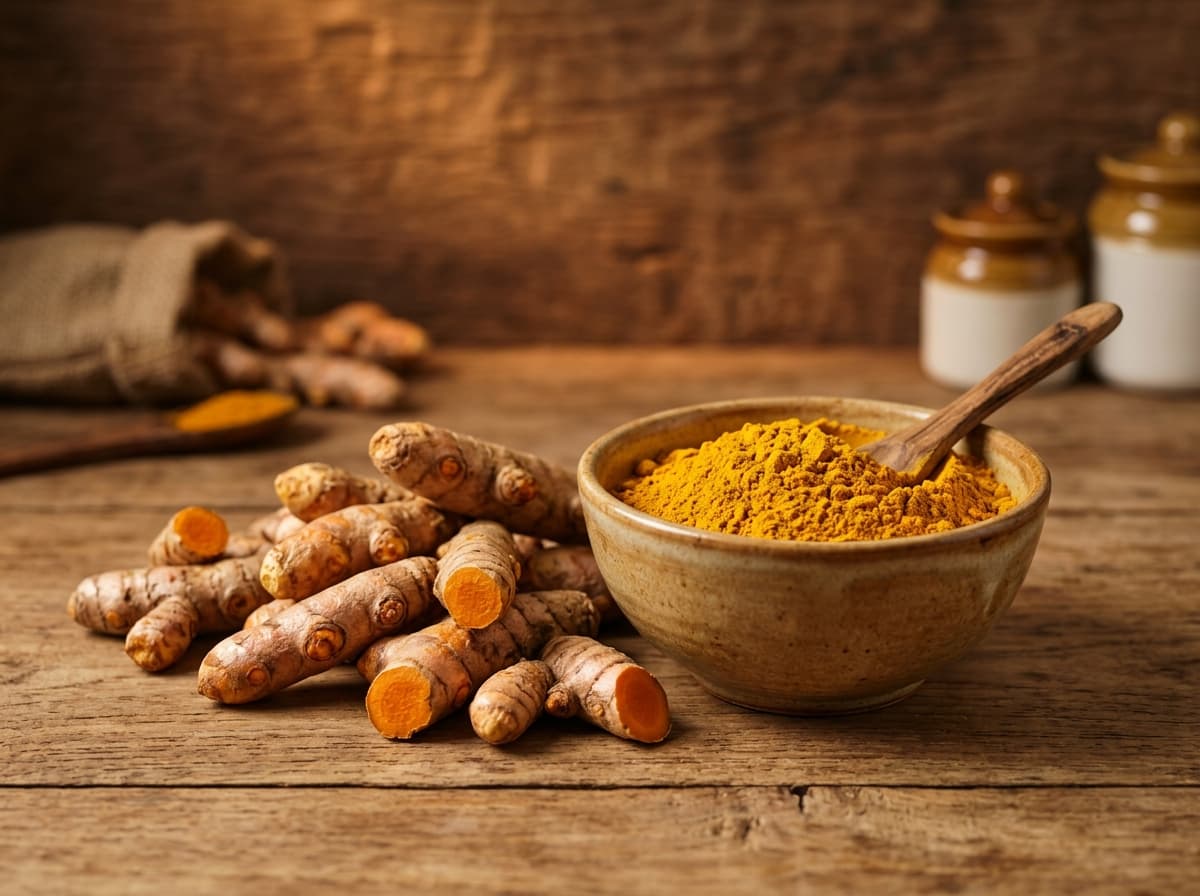
Among India's many turmeric-growing regions, Waigaon holds a distinction few others can claim: a registered Geographical Indication (GI) tag. For international and domestic buyers evaluating turmeric sources, understanding what that tag actually means — and what it doesn't — is the first step to sourcing with confidence.
Where Waigaon turmeric comes from
Waigaon turmeric is grown in and around Waigaon village in Samudrapur taluka, part of Wardha district in Maharashtra. This belt sits in the Vidarbha region, known for its black cotton soil (regur soil) — a heavy, moisture-retentive clay that turmeric rhizomes respond to particularly well, developing a denser structure and richer pigmentation than turmeric grown in lighter, sandier soils.
What the GI tag actually certifies
A Geographical Indication tag, administered in India under the Geographical Indications of Goods (Registration and Protection) Act, 1999, legally ties a product's name to its place of origin — similar in concept to Champagne or Darjeeling tea. For Waigaon turmeric, the GI registration recognizes that turmeric grown in this specific micro-region has characteristics (color, aroma, curcumin tendency) distinct enough from generic turmeric to warrant protected regional branding.
Importantly, a GI tag is a provenance and authenticity marker — it confirms where the product was grown, not a guaranteed curcumin percentage for every batch. Curcumin content still varies by harvest, processing method, and testing standard, which is why every commercial description should be read alongside a batch-specific Certificate of Analysis (COA), not instead of one.
Key characteristics
| Growing region | Waigaon and surrounding areas of Samudrapur taluka, Wardha district, Maharashtra |
| Soil type | Black cotton soil (regur), moisture-retentive clay |
| Colour | Rich, deep yellow — visually distinct from paler varieties |
| Aroma | Strong, distinctive — often noted as more pungent than Salem turmeric |
| Curcumin content | Commercial descriptions commonly cite ~4.5–6.12%, variable by batch |
| Status | Registered Geographical Indication (GI) tag |
How it compares to Salem turmeric
Salem turmeric, grown in Tamil Nadu, is the other major named variety we supply. Where Waigaon is prized for colour intensity and regional authenticity backed by its GI status, Salem turmeric has a long-established reputation in the spice trade and tends to offer more consistent curcumin standardization at scale, owing to a more mature processing infrastructure in that belt. Many buyers — particularly in pharmaceutical and nutraceutical formulation — request Salem turmeric specifically for its track record; others seeking a distinctive regional story for retail or premium positioning gravitate to Waigaon.
Neither is categorically "better" — the right choice depends on your end use, target curcumin specification, and whether provenance/storytelling matters for your market.
Sourcing Waigaon turmeric for export or wholesale
Crossway Global sources Waigaon turmeric directly from growers in the GI-registered belt, alongside Salem turmeric, supplying both whole double-polished fingers and finely ground powder. Every export lot is tested at an accredited laboratory, with a batch-specific Certificate of Analysis issued prior to dispatch — see our full specifications for moisture, ash, and heavy metal limits.