
Moringa, Ashwagandha & Beetroot Powder: Export Specifications Explained
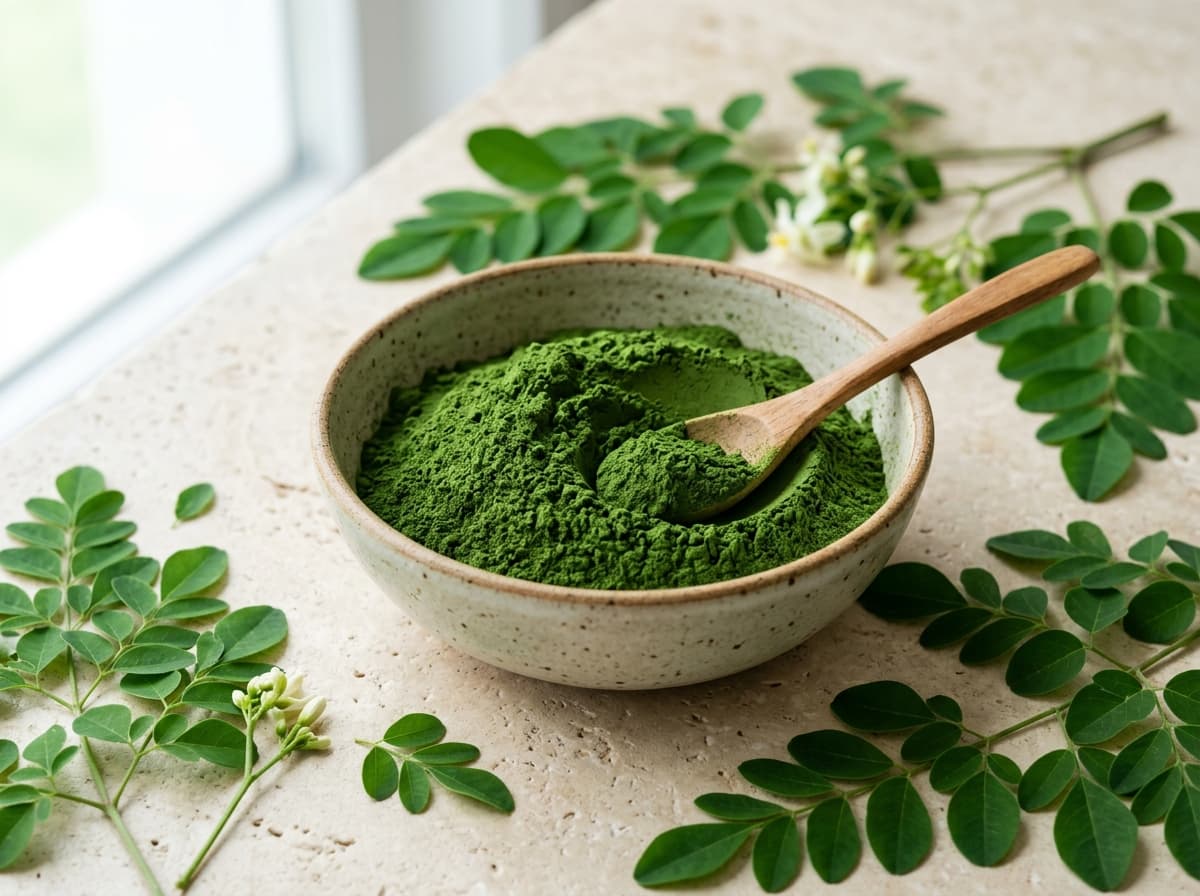
Turmeric gets most of the attention in Indian botanical exports, but moringa, ashwagandha, and beetroot powder have each built substantial international demand of their own — moringa and ashwagandha in the wellness and supplement industry, beetroot powder in natural food colouring and sports nutrition. Here's what matters when evaluating each.
Moringa leaf powder
Produced from shade-dried Moringa oleifera leaves, the two things that separate a good moringa powder from a mediocre one are drying temperature and colour retention. Leaves dried too fast or at too high a temperature lose chlorophyll and turn a dull olive-brown instead of the vibrant green that indicates a well-preserved nutrient profile.
| Drying method | Shade-dried below 42°C to preserve chlorophyll and nutrients |
| Moisture content | ≤7.5% max |
| Crude protein | ≥25.0% |
| Mesh size | 80–100 superfine mesh |
| Microbiological | Salmonella and E. coli tested absent |
Common applications: nutritional supplements, green smoothie blends, functional food fortification, and as a standalone superfood powder for retail.
Ashwagandha root powder
Sourced from dried roots of Withania somnifera, ashwagandha's key quality marker is withanolide content — the active adaptogenic compound group buyers in the supplement industry specify a minimum threshold for. Beyond withanolide standardization, the critical checks are moisture control and absence of additives or binders, since ashwagandha root powder is frequently used in capsule and tablet manufacturing where purity specifications are strict.
| Withanolide content | Standardized extract and root powder grades available |
| Moisture content | ≤8.0% max |
| Mesh size | 80 mesh |
| Heavy metals | Tested compliant for global pharmacopeia standards |
| Additives | Free of binders or synthetic solvents |
Common applications: dietary supplements, adaptogenic formulations, and wellness product manufacturing.
Beetroot powder
Dehydrated from farm-fresh red beets, beetroot powder's commercial value comes from two things: its natural magenta pigment (an alternative to artificial food colouring) and its dietary nitrate content, which has driven strong demand from the sports nutrition and pre-workout supplement industry in recent years. Solubility matters more here than for the other three products, since beetroot powder is frequently used in beverage applications where it needs to disperse cleanly in liquid.
| Appearance | Deep magenta / ruby red fine powder |
| Solubility | High dispersibility in cold or warm liquids |
| Moisture content | ≤6.0% max |
| Mesh size | 60–80 mesh |
| Microbiological | Pathogen-free, low bio-burden |
Common applications: natural food colouring, beverage and smoothie blends, sports nutrition and pre-workout formulations.
Sourcing all four from one supplier
Buyers consolidating multiple botanical powders into a single shipment benefit from working with one tested, documented source rather than coordinating separate suppliers for each product. Crossway Global supplies turmeric, moringa, ashwagandha, and beetroot powder with batch-specific Certificates of Analysis for each, so a combined order carries the same quality assurance standard across every product line.